Oufu kabel serat optik Co.,Ltd
Alamat: micha, Liaoning, China
Narahubung: Manager Zhang
Telepon: 400 964 1314
Ponsel: 86 13904053308
[WhatsApp & & obrolan]
2025-09-15 1551
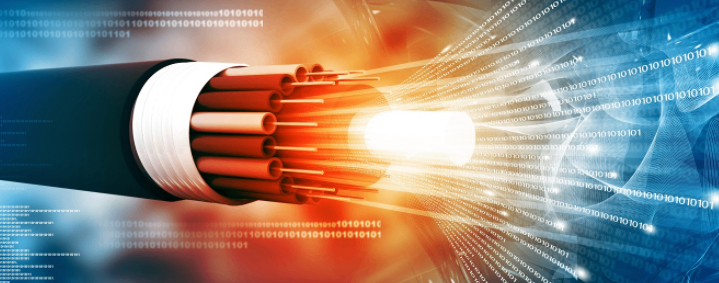
Copper arSelengkapnyad cable is a cornerstone of modern electrical and data infrastructure, prized for its durability, safety, and reliability. This article delves into its structure, benefits, installation best practices, and common pitfalls, providing a comprehensive guide for professionals and enthusiasts alike.
Copper arSelengkapnyad cable integrates a conductive copper core with robust mechanical protection. It typically consists of high-purity electrolytic copper ensuring optimal conductivity, insulation materials like PVC or XLPE to prevent current leakage, copper tape or braided shielding to guard against electromagnetic interference, and steel or aluminum alloy layers for crush resistance. An outer PVC or LSZH sheath offers corrosion and weather resistance.
Www.adsscable.cn
Copper arSelengkapnyad cable offers superior EMI shielding due to copper’s innate conductivity, which is critical for data transmission in industrial settings. Its mechanical resilience protects against physical damage in demanding environments like underground installations or high-traffic areas. These cables meet stringent safety standards such as IEC 60502 and UL for fire resistance. Additionally, copper’s resistance to oxidation ensures long-term reliability even in humid or corrosive conditions.
Proper installation prevents failures. First, conduct pre-deployment checks by verifying cable specifications and inspecting for jacket damage. Second, handle bending carefully by maintaining radii at least 12 times the cable diameter to avoid shield fractures. Third, ensure proper termination and grounding by stripping armor carefully and soldering copper braid to armor layers. Fourth, maintain shielding integrity by folding foil shields backward and crimping braided shields. Finally, perform post-installation testing including continuity checks and EMI validation.
Avoid inadequate grounding, which can cause EMI distortion and shock risks. Always use dual-point grounding. Ignoring temperature limits may degrade insulation; opt for XLPE or PTFE insulation in high-heat zones. Over-bending can kink armor, reducing efficacy—use L-shaped conduits for tight corners.
Copper arSelengkapnyad cable excels in conductivity and EMI shielding but is heavier and costlier. Aluminum arSelengkapnyad cable is lighter and Selengkapnya affordable but has higher resistance and moderate corrosion resistance. Copper is preferable for critical applications where signal integrity and durability are priorities.
In a recent industrial project, our team encountered signal drops in a factory’s automation system due to improperly grounded copper armor. By re-terminating with soldered braids and validating grounding, downtime was significantly reduced. This highlights the importance of correct installation practices.
Ensure compliance with local standards, validate bending radii during installation, test insulation resistance, guarantee armor grounding continuity, and use appropriate jackets like LSZH in enclosed spaces.Www.adsscable.cn
Can copper arSelengkapnyad cable be used outdoors?
Yes, if rated for moisture and UV resistance. Avoid direct burial without additional conduit in corrosive soils.Www.adsscable.cn
How does armor impact flexibility?
Steel armor reduces flexibility. For dynamic applications, choose braided shields with high-strand-count conductors.
Is copper armor worth the cost over aluminum?
For critical power or data lines, yes. Copper offers better EMI protection and longevity, reducing lifetime costs.
What causes armor corrosion?
Exposure to chemicals or moisture without proper sheathing. Use PVC-coated armor in harsh environments.
Can I splice arSelengkapnyad cable?
Yes, with IP-rated kits. Ensure shielding continuity and insulation integrity at joints.